Ranthambore Safari Booking Guide: Zones 1–10, Jeep vs Canter and How Allocation Works
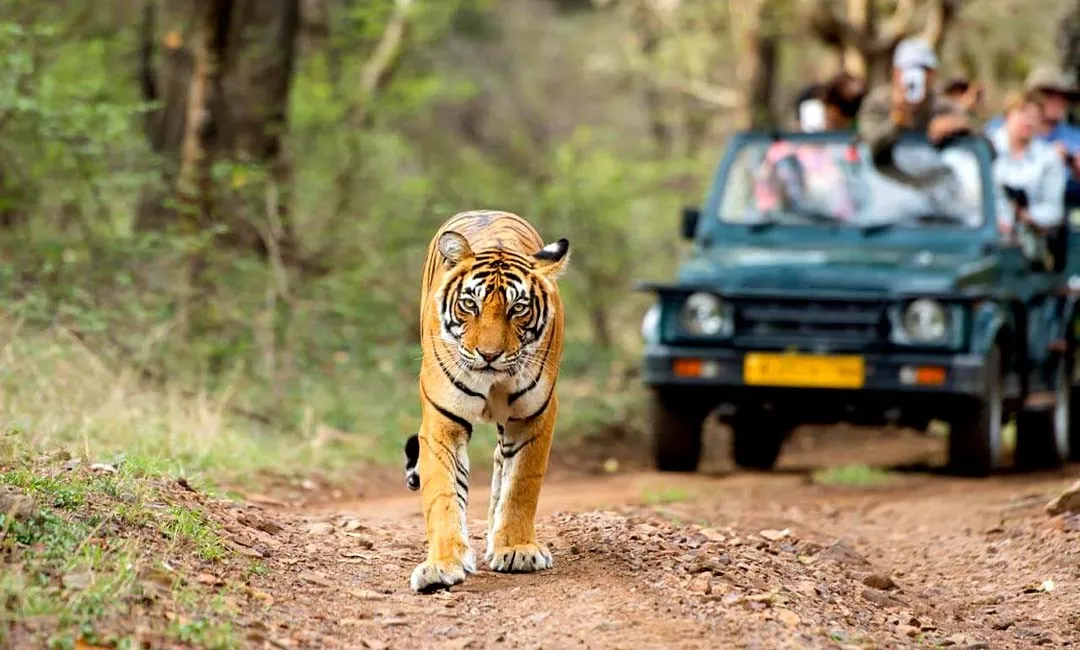
Ranthambore is the tiger reserve that teaches first-timers how safari booking really works in India. The park — draped around a thousand-year-old fort in Rajasthan's Sawai Madhopur district — is divided into ten safari zones, your vehicle is a shared jeep or a canter, and the single most misunderstood fact is this: you do not get to choose your zone. Understanding that one rule, and planning around it, is the difference between a smooth Ranthambore trip and a frustrated one.
The ten zones, honestly explained
Zones 1 to 5 form the classic Ranthambore circuit. Zone 3 is the postcard: Padam Talao and Rajbagh Talao, the Jogi Mahal, tigers walking lake edges in golden light with the fort above. Zone 2 strings together waterholes and the Lahpur valley; Zone 4 works Malik Talao and the Lakkad-da area; Zone 5 runs through the Kachida valley; Zone 1 is the Sultanpur side. These routes earned their reputations over decades, when the park's tiger population was concentrated here.
Zones 6 to 10 — the buffer routes — were once the consolation prize and no longer deserve that label. As tiger numbers and territories have spread, the outer zones deliver regular sightings with thinner vehicle lines, plus country you would miss otherwise: Zone 6's rocky hills, Zone 9's riverine Qual Ji stretch, and excellent leopard, sloth bear and birding chances throughout. The honest advice is to stop treating the zone number as the product. Over two or three safaris, most visitors who stay relaxed about allocation come home with sightings — and the reserve spreads pressure more fairly across the forest.
Jeep or canter?
- Jeep (gypsy) safari: a six-seat open vehicle — quieter, more flexible, better for photography and for hearing the forest. The default choice for serious wildlife travellers.
- Canter safari: an open bus of around twenty seats — higher viewpoint over tall grass, friendlier for large groups and budgets, slightly less personal.
- Either way you get two drives a day, morning and afternoon, with timings that shift across the season with sunrise and sunset; confirm the current schedule when you book.
Booking, step by step, without the myths
Safari seats are released in advance through the official booking system and, in peak season — winter holidays, long weekends, the good sighting months of spring — the popular slots go quickly, so plan weeks ahead rather than days. Each traveller books under their own name with a photo ID: Aadhaar or driving licence for Indian visitors, passport for international visitors, and the same original ID must be produced at the gate. On the day, your confirmation converts to a boarding pass before the drive. Carry water, a hat, and in winter a serious jacket: an open jeep at dawn in January is far colder than any hotel lobby suggests.
“In Ranthambore, the zone is the forest's decision. Your job is to show up, more than once, and pay attention.”
Making the trip around the safaris
Stay two nights minimum and take at least three drives; single-safari visits are a lottery ticket, not a plan. Between drives, walk up to Ranthambore Fort — a UNESCO-listed hill fort with the famous Ganesh temple inside the park's landscape — and leave an afternoon for Sawai Madhopur's handicraft and tiger-art shops. If this is your first Indian safari, compare formats with our Jim Corbett safari booking guide and the Kaziranga safari guide, and round out a Rajasthan circuit with winter in Rajasthan and Rajasthan destinations.
What else lives here, and the fort above it all
Tigers headline Ranthambore, but the supporting cast is why naturalists return. Leopards work the rocky outcrops, sloth bears shuffle the dhak forests, sambar and chital crowd the lake edges, marsh crocodiles hold the Rajbagh shallows, and the birding — painted storks, crested serpent eagles, paradise flycatchers — would justify the trip alone. All of it unfolds in a landscape that keeps interrupting the safari with history: chhatris, stepwells, mosques and hunting palaces scattered through the forest, and over everything the great fort, a UNESCO World Heritage Site as part of the Hill Forts of Rajasthan, where a much-loved Ganesh temple still draws pilgrims who walk up through the park's edge. Give the fort its own morning rather than squeezing it between drives.
Season sense
The safari season runs broadly from October to June, and each stretch has its character. October opens green and beautiful after the monsoon, with animals dispersed and the jungle at its lushest. Winter brings cold, misty mornings, the best birding, and tigers that may show later in the day. From March towards June the forest dries, leaves fall, water shrinks to the famous lakes — and tiger sightings around those water bodies become the stuff of the park's legend, at the price of real heat on afternoon drives. There is no wrong season; there is only the season that matches what you came for. Book the drives first, build the hotel nights around them, and let Ranthambore do the rest.
A word on expectations, because Ranthambore suffers from its own publicity. The famous photographs — a tiger crossing before the Rajbagh ruins — are real, but they are moments accumulated over many drives by many patient people. Wild tigers keep their own counsel: a zone can be silent all morning and produce a life-list sighting at the last gate call, and a 'quiet' drive still delivers the forest itself, which is never actually quiet. Go in planning for the place rather than the postcard — multiple drives, good company in the jeep, attention to the alarm calls and the guide's craft — and Ranthambore will very likely give you both the forest and, in its own time, the tiger.
Book the drives, trust the forest, and keep your camera ready and your expectations patient — that has always been the whole secret of Ranthambore.
One more habit separates the travellers who see tigers from those who nearly do: they listen. Alarm calls, pugmarks on the track, a guide going quiet — the forest announces its tiger long before it shows it.
- Tourism Bharat — Ranthambore National Park Booking & Safari Guide
- Ranthambore National Park India — Safari Booking & Timings
Share this article