Char Dham Yatra from Haridwar: Complete 10–11 Day Itinerary
By My Quick Trippers · 19 Oct 2026
7 min read · Pilgrimage
Haridwar is where the Char Dham yatra truly begins — not just logistically, as the last major railhead before the hills, but spiritually, with the Ganga aarti at Har Ki Pauri setting the tone for the two weeks ahead. The traditional circuit runs in a fixed order — Yamunotri, Gangotri, Kedarnath, Badrinath — and from Haridwar it takes a well-planned 10 to 11 days by road. This guide gives you that day-by-day plan: the drives, the night halts, the treks, and the practical details that separate a smooth yatra from a gruelling one. Before any of it, complete your mandatory biometric registration — the Char Dham registration and documents guide covers exactly what you need — and read the Kedarnath yatra 2027 planning guide for season-specific logistics. Distances in the hills are deceptive: 200 km can mean eight hours, so this itinerary is built around realistic driving days, not map distances.
Days 1–2: Haridwar Arrival and the Drive to Barkot
Day 1 is Haridwar itself. Arrive by train or road, check in, and spend the evening at Har Ki Pauri for the Ganga aarti — after days in the hills, you will look back on this as the yatra's opening ceremony. If you have an extra day, the Haridwar–Rishikesh 2-day itinerary shows how to use it well. Day 2 is the first real drive: Haridwar to Barkot, roughly 190 km and seven to eight hours via Mussoorie and the Yamuna valley. Start early — hill driving after dark is best avoided — and expect the road to narrow progressively after Barkot's turnoff. Barkot is a small town and the standard base for Yamunotri; stay here, eat early, and sleep early, because Day 3 starts before dawn. A note on vehicles: for the full circuit, hire one vehicle for the entire trip rather than changing cabs at each halt — drivers who know the Char Dham route are worth their weight in gold, and a single booking avoids renegotiation at every stop.
Days 3–5: Yamunotri and Gangotri
Day 3: drive Barkot to Jankichatti (about 45 km, 1.5 hours), then trek 5 km to Yamunotri. This is the shortest of the Char Dham treks — most pilgrims manage it in two to three hours — but it climbs steadily, and ponies and palkis are available at Jankichatti if you need them. At the temple, the ritual is to cook rice in the Surya Kund hot spring as prasad. Return to Barkot by evening. Day 4: Barkot to Uttarkashi, about 100 km and four to five hours — a comparatively gentle driving day; use it to rest. Uttarkashi is the base for Gangotri and a pleasant town on the Bhagirathi. Day 5: Uttarkashi to Gangotri and back, roughly 100 km each way. The road follows the Bhagirathi through Harsil valley — stop at the Harsil viewpoints on the way back if time allows. Gangotri darshan is usually quicker than at the other dhams, and the evening aarti at the ghat is beautiful. Back in Uttarkashi for the night. Two dhams down, and your body is now adjusting to the rhythm of early starts and mountain roads.
Days 6–8: The Long Haul to Kedarnath
Day 6 is the longest drive of the yatra: Uttarkashi to Guptkashi or Sitapur, around 240 km via Tehri and Rudraprayag, taking eight to ten hours. There is no way to shorten it meaningfully — start at first light and treat it as a travel day, full stop. Day 7: Guptkashi to Gaurikund (about 30 km), then the trek to Kedarnath — 16 km, typically six to eight hours on foot. This is the yatra's crux. Start the trek by 7 am at the latest, pace yourself, and remember that ponies, palkis and pitthus are available at Gaurikund if the walk defeats you. Read the Kedarnath trek distance, route and preparation guide before you attempt it, and if anyone in your group cannot trek, the Kedarnath yatra 2027 complete guide explains the heli alternative from Sersi, Phata or Guptkashi. Night halt at Kedarnath — the evening aarti with the peaks glowing behind the temple is the yatra's single most moving hour. Day 8: morning darshan if you missed it, then descend to Gaurikund and drive back to Guptkashi. Your knees will file a complaint; walk it off.
Days 9–11: Badrinath and the Return to Haridwar
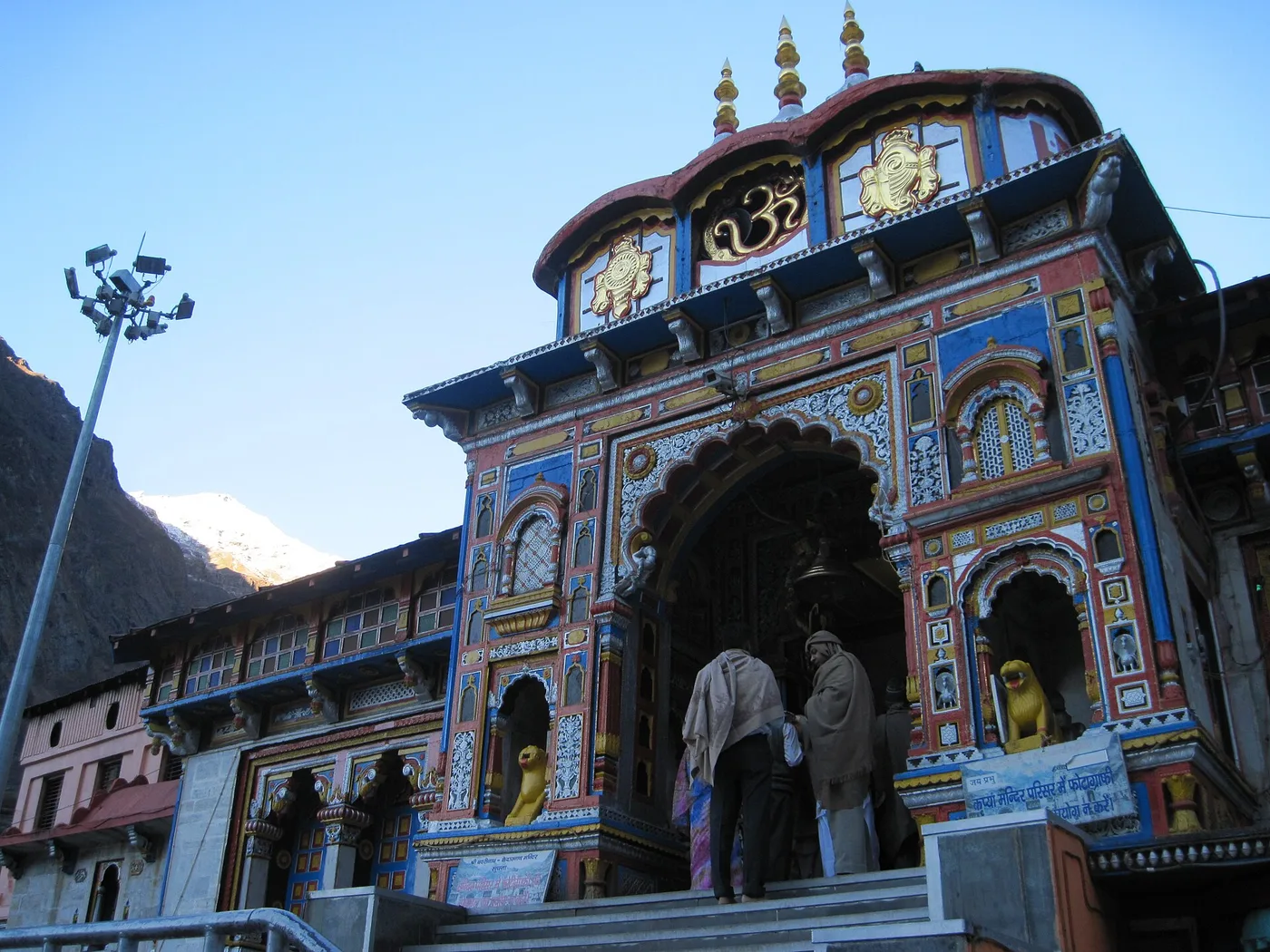
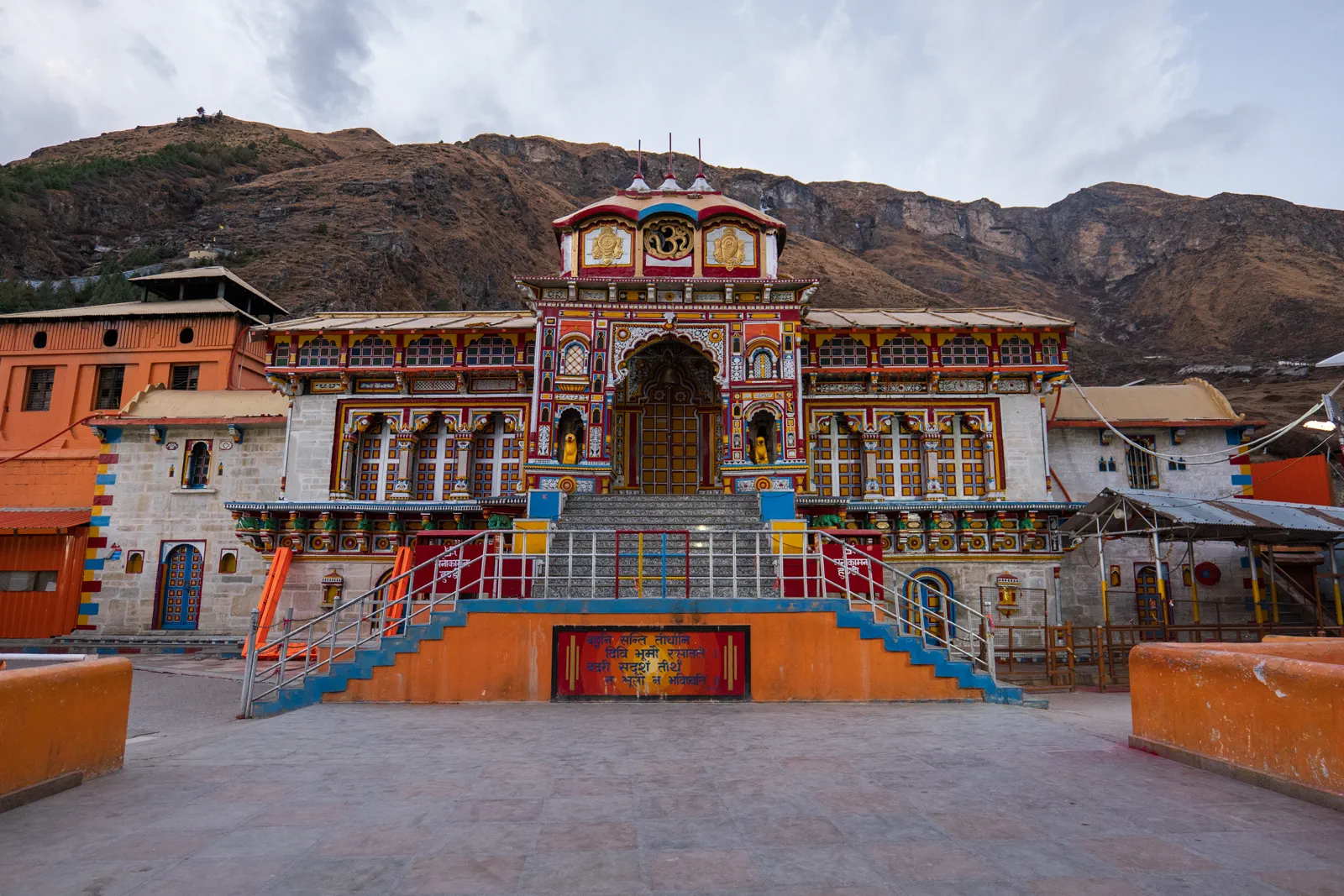
Day 9: Guptkashi to Badrinath, about 180 km and seven to eight hours via Chopta and Joshimath. This is one of the great Himalayan drives — the road climbs through oak forest, crosses into the Alaknanda valley, and the peaks start crowding the horizon. Evening aarti at Badrinath if you arrive in time. Day 10: morning darshan at Badrinath — the temple's colourful facade against the Neelkanth peak is unforgettable — then visit Mana, India's first village, 3 km away, with the Vyas Gufa and Bhim Pul. After lunch, drive down to Rudraprayag (about 160 km). The Badrinath dham yatra guide and the Badrinath temple reach and best-time guide cover this dham in more depth. Day 11: Rudraprayag to Haridwar, roughly 160 km and six to seven hours, with the confluence at Devprayag — where the Alaknanda and Bhagirathi become the Ganga — as the natural photo stop. Back in Haridwar by evening, eleven days after you started, with four dhams done. That evening's Ganga aarti will hit differently now.
Best Time, Costs and Practical Tips
Timing shapes everything. The Char Dham season typically runs from late April or early May (the temples open around Akshaya Tritiya) until late October or early November (they close around Bhai Dooj) — exact 2027 dates are announced closer to the season, and the Kedarnath opening date guide tracks them. May–June is peak season: full facilities, maximum crowds, highest prices. September–October, after the monsoon, is the connoisseur's choice — clearer mountain views, thinner crowds, but colder nights and the risk of early-season closures at the tail end. Avoid July–August: landslides are a genuine hazard on these roads. On cost, a private-vehicle 11-day Char Dham from Haridwar typically works out to roughly ₹35,000–₹55,000 per person for a group of four sharing costs, varying hugely with hotel class and vehicle type — treat this as a planning range, not a quote, and confirm current rates before booking. Practical notes: carry woollens even in June for Kedarnath and Badrinath, keep a day buffer for landslides or weather, download offline maps, carry cash for stretches with no ATMs, and get a basic medical check-up before the yatra — the Haridwar to Kedarnath routes guide has more on the road logistics.
Eleven days, four dhams, roughly 1,600 km of mountain road, and one trek you will talk about for years — that is the Char Dham from Haridwar. The itinerary above is the classic circuit, but it flexes: add a rest day at Uttarkashi, swap in the helicopter at Kedarnath, or extend to Mana and Auli. If you'd rather not manage drivers, hotel bookings across six towns, registrations and the thousand small decisions yourself, our Char Dham yatra packages from Haridwar handle the full circuit end to end. Tell us your dates and group size on myquicktrippers.com and we'll build the yatra around your fitness, your budget, and the season's actual road conditions.
Share this article