Char Dham Yatra Packing List: Dham-Wise Essentials, Medicines & Documents
By My Quick Trippers · 17 Oct 2026
8 min read · Pilgrimage
The Char Dham circuit is four yatras in one: a 6 km steep trek to Yamunotri at 3,293 metres, the windy cold of Gangotri at 3,048 metres, the demanding 16 km Kedarnath trek at 3,583 metres, and the relatively gentler Badrinath at 3,133 metres — spread across 10 to 12 days of mountain roads, unpredictable weather and basic facilities. Packing for it is not like packing for a holiday; it is packing for four different microclimates, long road days, and places where the nearest proper shop may be a valley away. This Char Dham packing list breaks it down dham by dham, then covers the universal essentials — clothing layers, medicines, documents, electronics and food — plus what to leave behind. Read it with our step-by-step Char Dham planning guide; planning tells you where you are going, this tells you what goes in the bag.
Some links on this page are affiliate links — we may earn a commission if you buy through them, at no extra cost to you.
Dham-by-Dham: What Each Temple Demands
Yamunotri (3,293 m): the trek dham
The 6 km trek from Janki Chatti to the temple is steep, narrow in stretches, and often crowded with ponies — good grip footwear and a walking stick matter more here than heavy clothing. The Surya Kund hot springs at the top are where pilgrims cook the prasad potatoes; carry a small steel container if you want to participate. Ponies and palanquins are available at Janki Chatti for those who need them. Our Yamunotri trek guide has the route details.
Gangotri (3,048 m): the wind dham
The temple itself is a short walk from the parking area, but the Bhagirathi valley funnels a biting wind — a windproof outer layer matters more here than at any other dham. Evenings at Gangotri are cold in every month of the season. If you are considering the Gaumukh extension, that is a separate 18 km trek needing permits and a different packing list entirely. See our Gangotri pilgrim guide for the temple specifics.
Kedarnath (3,583 m): the expedition dham
The highest, coldest and most demanding — the 16 km trek from Gaurikund is the packing crux of the entire circuit. Full winter layering, trekking shoes, rain protection, headlamp, 2 litres of water capacity and an altitude-aware medical kit. This dham alone justifies half your bag. Our dedicated Kedarnath trek packing list goes deep on the month-wise specifics.
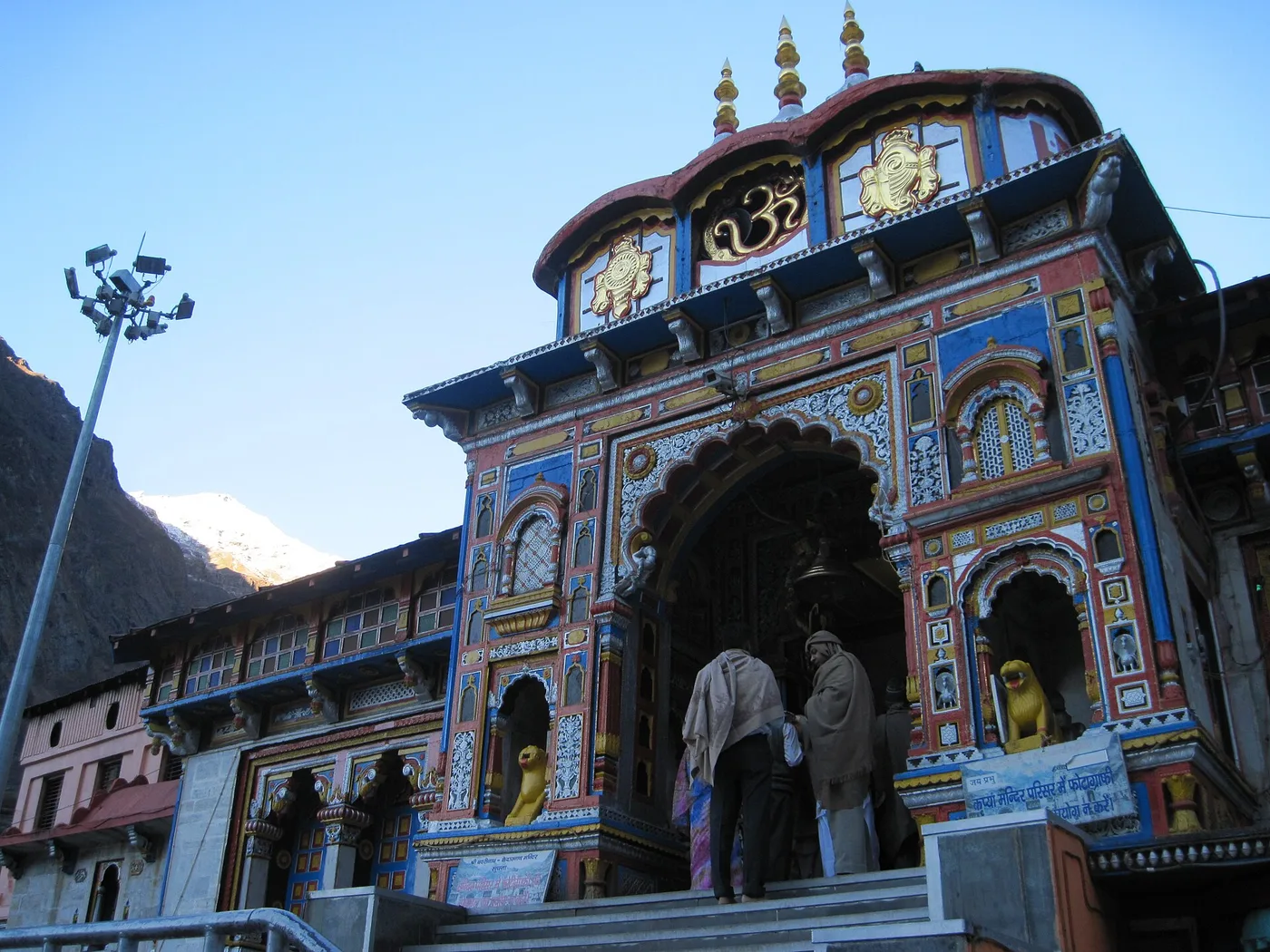
Badrinath (3,133 m): the gentle dham
The easiest logistically — the temple is minutes from the parking area, the town has the best facilities on the circuit, and the Tapt Kund hot springs warm you before darshan. Standard warm clothing suffices; save your energy for the Mana village excursion 3 km away.
The Clothing System: Layers, Not Bulk
Ten days across four altitudes with limited laundry means a system, not a pile. Packing cubes are the cheapest version of that system: one cube per layer type, so repacking in a new town takes minutes — the Storite 7-piece packing cubes cover a week-long circuit in one set. The formula that works: thermal innerwear (2 sets), fleece or woollen mid-layers (2), a windproof and water-resistant outer jacket (1), comfortable trekking trousers (2–3, quick-dry), woollen cap, gloves and 3–4 pairs of warm socks. Add a raincoat or poncho regardless of month — mountain weather does not read forecasts. Avoid cotton for the trekking days; synthetics and wool keep you warm even when damp. For the shoulder-season logic, our October–November packing guide by region explains the layering in more depth.
- Footwear: one pair of broken-in trekking or sports shoes with deep tread (for Yamunotri and Kedarnath), plus light sandals for temple towns and hotel use.
- Small daypack (20–30 L) with rain cover for the two trek days; a larger duffel stays in the vehicle for the rest of the circuit.
- Sunglasses, SPF 50+ sunscreen, lip balm and a cap — the Himalayan sun at altitude burns fast.
- Woollen shawl or stole: doubles as temple covering, blanket on cold buses, and padding for uncomfortable seats.
Medicines: The Kit That Matters Most
Beyond the base towns — Barkot, Uttarkashi, Guptkashi, Joshimath — pharmacies become basic and erratic. Carry a proper kit: your personal prescription medicines with two extra days' supply and the written prescription; paracetamol and anti-inflammatory tablets; anti-nausea and acidity medication (winding mountain roads upset many stomachs); ORS sachets and electoral powder; bandages, antiseptic and crepe bandage for the trek days; cold, cough and throat medication; and altitude-sickness medication only on a doctor's advice. Seniors and cardiac patients: consult your doctor before the yatra and read our Char Dham senior-citizen guide — it covers the health screening specifically.
Documents and Money
- Char Dham registration slip (printout + phone copy) and the original photo ID used at registration — checked at multiple points.
- Hotel and GMVN booking confirmations, especially for Kedarnath night stays.
- Helicopter ticket printouts with matching ID, if applicable.
- Cash in smaller denominations: ATMs are unreliable beyond the base towns and UPI is patchy on trek routes. Budget for ponies, porters, meals, donations and emergencies.
- A waterproof pouch holding all of the above — on your person, not in the vehicle luggage.
Electronics and Food
Power banks (20,000 mAh or more — the Portronics Ignis 65 on Amazon) — charging points are contested real estate in dharamshalas and GMVN dorms. A headlamp or torch for the trek starts and for power cuts, which are routine. Keep phone usage minimal on trek days; network is patchy and batteries drain faster in the cold — keep the phone in an inner pocket. For food: dry fruits, energy bars, glucose, roasted namkeen and a water bottle you refill — trail and roadside dhabas cover hot meals, but your own energy food bridges the gaps. A small steel tiffin is useful for prasad and packed meals. If you are still costing the trip, our Char Dham budget planning guide breaks down the full-circuit expenses. For the bank itself, our URBN 20000mAh power bank review covers the two-day option, and our Ambrane Charge 65 review covers the fastest way to refill it at the hotel.
Pack for the two trek days first — Yamunotri and Kedarnath dictate the bag. Everything else on the circuit is just warm clothing and common sense.
What to Leave Behind
- Heavy suitcases — one manageable bag per person; porters charge by weight and your back has limits.
- Cotton jeans and heavy denims — cold when wet, slow to dry, miserable on treks.
- Excess electronics — a laptop has no business on the Char Dham route.
- Single-use plastic in bulk — the entire region is eco-sensitive; carry a reusable bottle.
- New shoes of any kind — break them in for two weeks before the yatra or suffer at kilometre 4 of the Kedarnath trail.
Packed right, the Char Dham circuit is ten days of some of the most spectacular pilgrimage travel in the world — packed wrong, it is ten days of shivering, blisters and pharmacy hunts. If coordinating all of this for a family group feels like a second job, that is exactly what My Quick Trippers does: Char Dham departures with transport, stays, registration assistance and trek-day support handled. WhatsApp us on +91 81711 58569 and we will build the circuit around your dates.
Frequently Asked Questions
How many bags should I carry for Char Dham?
One medium bag per person for the vehicle — a convertible garment duffel is a good shape for it, folding from a garment bag into a weekender duffel with a separate shoe pouch — plus a 20–30 litre daypack you carry on the Yamunotri and Kedarnath treks. Anything more becomes a liability on mountain roads and trails. A mini vacuum pump that compresses bulky layers is one way to make that one bag actually close.
Do I need trekking shoes for all four dhams?
You need them for Yamunotri and Kedarnath — the two trek dhams. Gangotri and Badrinath involve only short walks, where the same shoes work fine but are not essential.
Is a down jacket necessary for Char Dham?
Not strictly — a good layering system (thermal + fleece + windproof shell) handles the season. But for September–October or anyone who feels the cold, a packable down jacket is the best warmth-per-gram you can carry.
Can I buy forgotten items on the Char Dham route?
Basics — woollens, raincoats, sticks, batteries — are sold at Barkot, Uttarkashi, Guptkashi, Sonprayag and Joshimath at inflated prices. Specialised gear, medicines and good footwear are not reliably available. Buy before you leave the plains.
Share this article